
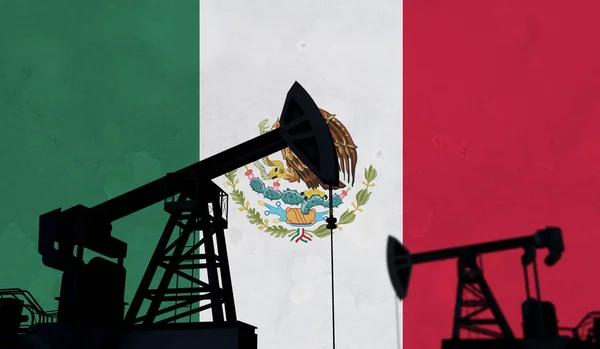
Mexico’s oil market has been a subject of global interest for decades. The country is one of the largest oil producers in the world, with its reserves largely concentrated in the Gulf of Mexico and the country’s southeast region. However, over recent years, changes in global energy dynamics and domestic policy shifts have significantly impacted Mexico’s oil industry.
The Mexican oil market was traditionally dominated by Petróleos Mexicanos (Pemex), a state-owned company that held a monopoly on all aspects of petroleum exploration, production, and sales within the country until 2013. That year marked a significant turning point for Mexico’s oil industry when constitutional reforms opened up the sector to foreign investment for the first time in nearly 80 years.
This liberalization aimed to attract international oil companies with deep pockets and advanced technology to help develop Mexico’s vast untapped reserves. It was expected that this would increase production levels, generate higher government revenues from royalties and taxes on private firms’ profits, create jobs, and boost economic growth.
However, despite these expectations attracting some major players such as Chevron Corp., Exxon Mobil Corp., Royal Dutch Shell Plc., among others into Mexican waters; results have not lived up to expectations. Oil output has continued to decline due to ageing fields and lack of new discoveries.
In addition to these challenges, President Andrés Manuel López Obrador’s administration has sought to reverse many previous reforms since taking office at the end of 2018. His government halted new auctions for exploration rights while focusing on strengthening Pemex’s role once again in Mexico’s energy landscape.
Despite current uncertainties surrounding policy direction and regulatory environment; there are still profit perspectives within Oil Profit Mexico market. For instance; opportunities exist around developing infrastructure needed for transportation or refining crude oils which could potentially offer lucrative returns given sufficient demand both domestically & internationally.
Furthermore; there is potential value in developing renewable energies alongside traditional fossil fuels as part of broader strategy for energy diversification. Mexico has vast potential in wind, solar and geothermal energy which could be harnessed to reduce reliance on oil, especially given increasing global focus towards cleaner, sustainable energy sources.
In conclusion; while the current dynamics within Mexico’s oil market present challenges, they also offer opportunities. The future profitability of this sector will depend largely on how these are navigated by both domestic and international players. Ultimately; it is clear that the country’s oil industry remains a significant aspect of its economy with potential for substantial profits if managed effectively.


